
Episode 10
By Duncan Hooper and Adam Lawrence
The government’s recent announcement on Energy Performance Certificates has been widely welcomed by landlords, but the headline changes mask several important details that will shape investment decisions over the next decade.
The most significant shift is the decision to align all privately rented properties to a single deadline of 2030 for achieving an EPC rating of C. Previously, landlords faced earlier compliance dates when letting to new tenants, creating uncertainty and forcing rushed or uneconomic upgrades. That distinction has now been removed. In parallel, the proposed spending cap has been reduced from £15,000 to £10,000, with a lower cap applying to properties valued under £100,000. For once, lower valuations offer a practical advantage.
Less prominently reported is the postponement of the Home Energy Model, which is intended to replace the current EPC system. Originally expected in 2026, it has now been pushed back indefinitely. This matters because the introduction of a new measurement framework alongside tightening deadlines risked creating contradictory incentives and accelerating landlord exits from the sector. The delay suggests the policy was not ready and provides temporary stability.
Blunt mechanism
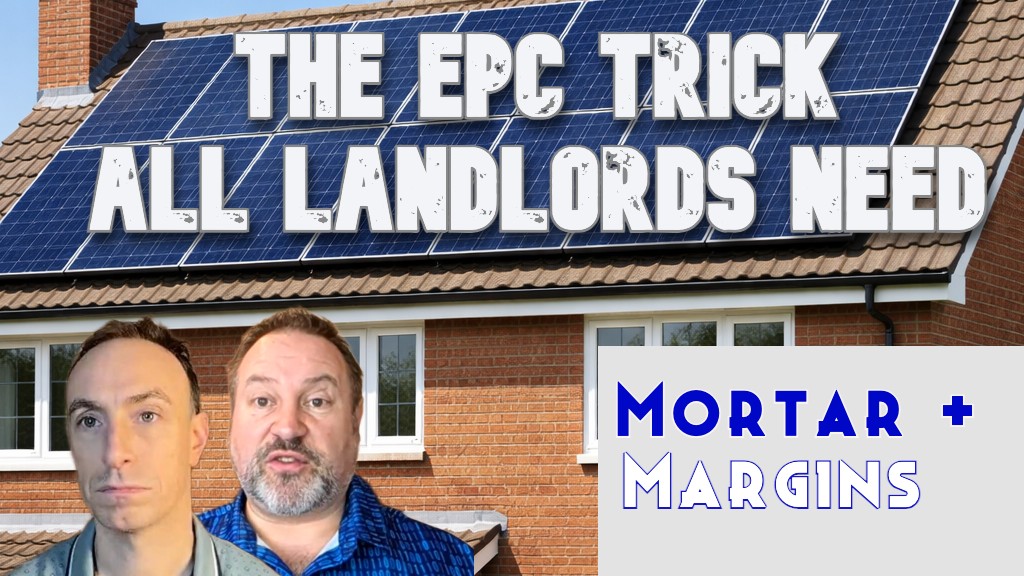
EPCs themselves remain a blunt and often frustrating tool. They aim to reduce carbon emissions but frequently reward interventions that improve scores without addressing the fundamental heat loss of a building. Solar panels are the most obvious example. They can boost an EPC rating by multiple bands despite doing little to reduce how much heat escapes the property. Meanwhile, measures that genuinely improve comfort and efficiency are not always prioritised in the scoring.
In simple terms, EPC performance is shaped by how much of a property’s surface area is exposed to the outside. Terraced houses and flats tend to perform better than detached homes because there is less heat loss through external walls. One of the most effective improvements, particularly during major refurbishments, is internal wall insulation on front and rear elevations. While disruptive, it can significantly improve both EPC scores and tenant comfort, often with immediate and noticeable results. Where grant funding is available, the economics improve further, although such schemes are currently winding down.
By contrast, some measures strongly promoted by EPC recommendations make little financial sense. Heat pumps are the clearest example. While effective in well insulated homes, their upfront costs can be high and payback periods can stretch into decades. The core problem is misaligned incentives. Landlords bear the capital cost, while tenants benefit from lower energy bills. Without meaningful subsidies or rent flexibility, the economic case collapses.
The earlier proposal that landlords would need to spend up to the full cap before qualifying for exemptions risked forcing money into low value upgrades. The revised approach is an improvement, but uncertainty remains around future standards. A redefined Grade C under the Home Energy Model could quietly become harder to achieve than today’s version, creating a backdoor tightening of regulation.
One practical consequence of the latest announcement is a timing opportunity. EPCs obtained before October 2029 are still expected to last for ten years. Refreshing certificates before that date could effectively lock in compliance until 2039. Landlords should not leave this until the last minute, as assessors are likely to be in short supply as the deadline approaches.
All of this sits against a political backdrop that cannot be ignored. These emphasised changes fall into the next parliamentary term. With an election likely before implementation, future governments may significantly alter or abandon the policy, particularly given how contentious net zero measures have become.
Tax, upgraded?
Alongside EPC reform, landlords are also facing the rollout of Making Tax Digital for income tax. This will require quarterly digital reporting using approved software, starting with those earning over £50,000 in rental turnover, then dropping to £30,000 and eventually £20,000. Crucially, these thresholds relate to turnover, not profit. A landlord with several mortgaged properties could face new reporting burdens while making little or no net income.
The government argues that quarterly reporting will reduce errors and help taxpayers manage their affairs more effectively. In reality, it adds cost and complexity, particularly for part time landlords. Software subscriptions, bookkeeping time and professional fees all increase, reinforcing the steady pressure on smaller landlords to exit the sector.
While the transition may feel daunting, basic bookkeeping software is relatively simple to use and can provide clearer insight into property finances. The key trap to avoid is confusing net rent received with gross turnover, particularly when agents deduct fees before passing on income. HMRC will still assess eligibility based on gross figures.
Taken together, EPC reform and Making Tax Digital point in the same direction. Compliance is becoming more complex, more frequent and more expensive. The recent EPC climbdown offers some breathing space, but the underlying trajectory remains clear. Landlords who plan ahead, understand the incentives and avoid uneconomic upgrades will be best placed to navigate what comes next.
Mortar & Margins is produced in Solihull by Propenomix. Its editors are Duncan Hooper and Adam Lawrence